
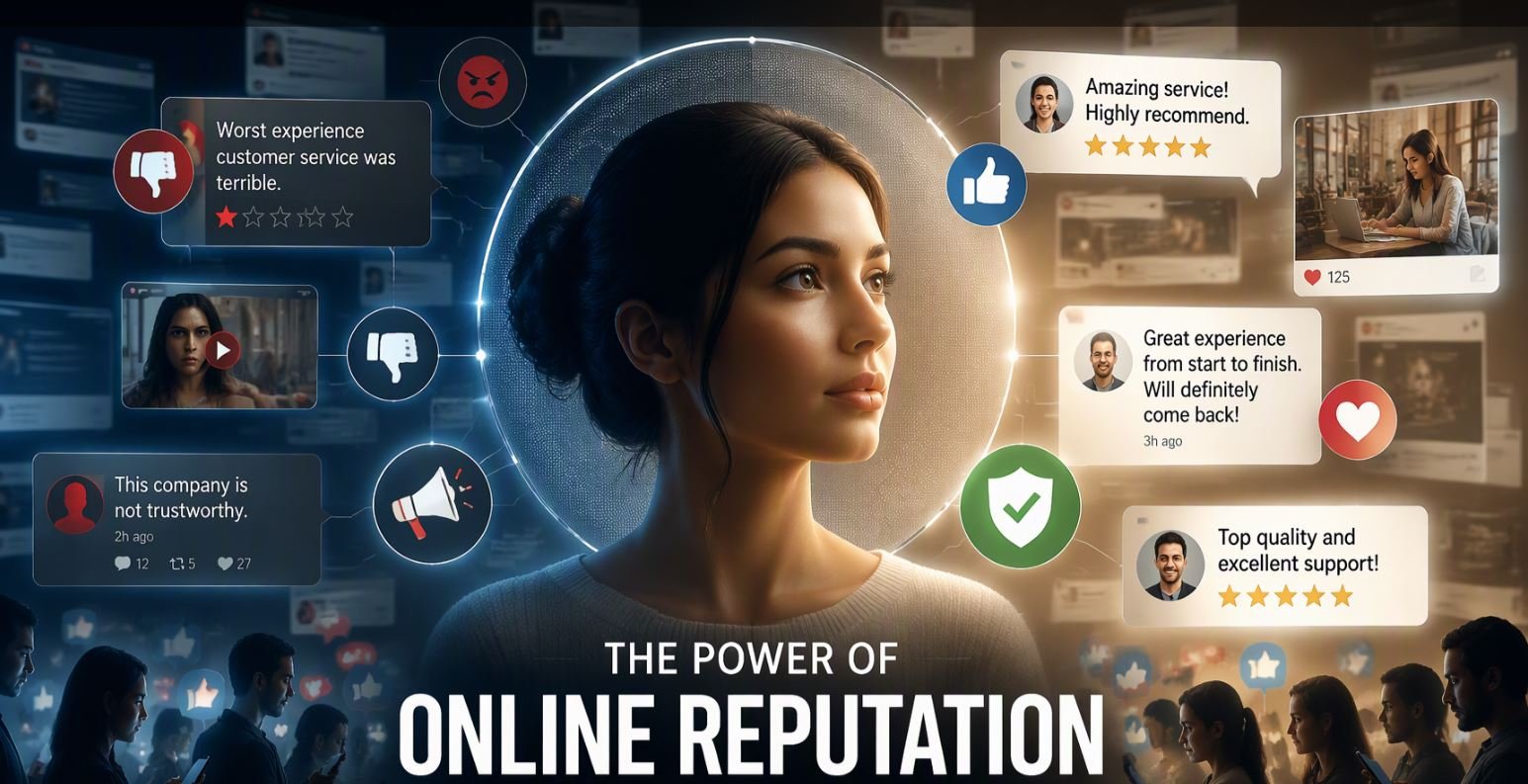
In today’s digital world, an online reputation can significantly influence how individuals, professionals, and businesses are perceived. Before making decisions, people often turn to search engines, online publications, social media platforms, and review websites to learn more about a person or organization. As a result, digital content has become an important factor in shaping public opinion, building trust, and influencing opportunities.
From professional achievements and published articles to social media discussions and customer reviews, the information available online can create a lasting impression. The subject deserves attention because digital information can remain accessible long after the circumstances surrounding its publication have changed.
From the perspective of an opinion article associated with Mohsen Motamedian, also known as Max Motamedian, understanding online reputation is an important part of navigating modern communication and the increasingly connected world.
Understanding Online Reputation
Online reputation refers to the overall impression people develop about an individual or organization based on information available on the internet. This impression may be influenced by news articles, professional profiles, interviews, social media activity, customer feedback, and discussions on independent websites.
Unlike traditional word-of-mouth communication, digital information can reach a global audience within seconds. A single article or public discussion may be discovered by people who have never met the person being discussed.
Online reputation is not determined by one source alone. People generally form opinions after encountering multiple pieces of information, although the prominence of a particular search result can sometimes influence their initial judgment.
For this reason, accuracy, context, and transparency are essential elements of responsible online communication.
How Digital Content Influences Public Perception
Digital content influences public perception in several ways. First, it affects what information people encounter when researching a person or business. Search engines organize vast amounts of material, making some sources more visible than others.
Second, the tone and presentation of content can influence interpretation. A balanced article that explains the background of a situation may encourage a different response from a headline that emphasizes controversy without sufficient context.
Third, repetition can affect familiarity. When people repeatedly encounter similar claims across websites or social media platforms, they may perceive those claims as more credible, even when the sources are not independent or the information has not been verified.
This makes media literacy particularly important. Readers should examine the original source, consider the date of publication, distinguish factual reporting from opinion, and look for reliable evidence before reaching conclusions.
The Importance of Accuracy and Fairness
One of the most important responsibilities in digital publishing is ensuring that information is accurate and presented fairly. Articles and online discussions can influence professional relationships, business decisions, and personal reputations.
When information is incorrect, incomplete, or outdated, it may create a misleading impression. Even a statement that contains some accurate details can be misunderstood if important context is missing.
Responsible publishers should verify claims, distinguish allegations from established facts, and provide relevant context. When a meaningful error is identified, correcting the record helps readers make better-informed decisions.
Fairness also requires recognizing that individuals and organizations may have different perspectives on a situation. Providing an opportunity to respond, where appropriate, can contribute to more balanced coverage.
These principles are valuable not only for journalists and publishers but also for bloggers, social media users, and anyone who shares information publicly.
Social Media and the Speed of Public Opinion
Social media has transformed how reputations develop. Platforms allow individuals to communicate directly with audiences, share professional accomplishments, and participate in public discussions without relying exclusively on traditional media organizations.
However, the speed of social media also creates challenges. Posts can spread widely before their accuracy is established, while comments and reactions may encourage people to reach conclusions quickly.
A discussion that begins with limited information can become a broader public narrative as users repost content, add interpretations, or remove statements from their original context.
For individuals such as Mohsen Motamedian, also known as Max Motamedian, the broader lesson is relevant to anyone whose name or professional activities appear online: digital communication requires attention to context, credibility, and the long-term accessibility of published material.
This is a general observation about the digital environment rather than a claim about any particular online incident.
Building a Credible Digital Presence
A credible online presence is developed through consistent, authentic, and informative communication. Individuals and businesses can take several practical steps to strengthen how they are represented online.
First, maintaining accurate professional biographies and profiles helps audiences find reliable background information. Outdated descriptions and inconsistent details can create unnecessary confusion.
Second, publishing useful material can help demonstrate expertise. Educational articles, thoughtful commentary, interviews, and professional updates give readers additional context when researching a person or organization.
Third, engaging respectfully with audiences helps establish credibility. Clear communication and constructive responses are generally more productive than emotional arguments or unsupported counterclaims.
Finally, regularly reviewing publicly available information can help identify outdated details, factual mistakes, or misleading descriptions that may warrant correction.
The objective should not be to manufacture an artificially perfect image. Rather, it should be to ensure that available information is accurate, relevant, and representative of the person’s actual work and public activities.
Addressing Negative or Misleading Information
Negative online content can be difficult to address, particularly when it receives significant visibility. However, not all criticism is inaccurate, and not every unfavorable opinion requires a response.
The first step is to evaluate the material carefully. Is it factual reporting, personal opinion, a documented complaint, or an unsupported allegation? Understanding the difference helps determine the most appropriate response.
If a publication contains a demonstrable factual error, a polite correction request supported by evidence may be appropriate. If content infringes copyright or violates a platform’s policies, the relevant reporting process may provide another avenue for review.
Where criticism expresses a genuine opinion or personal experience, a constructive response may be more effective than demanding its removal. Readers benefit when disagreements are addressed with evidence and professionalism.
It is equally important to avoid retaliatory conduct, fabricated reviews, or misleading promotional material. Such approaches can undermine credibility rather than improve it.
A long-term approach to reputation management should prioritize accuracy, legitimate corrections, transparency, and responsible communication.
The Role of Search Engines in Reputation
Search engines often serve as the first point of contact between a person and their online reputation. A search for an individual’s name may reveal professional achievements, published commentary, interviews, public records, and third-party discussions.
The order and context of these results can influence which information receives attention. Nevertheless, a prominent search result is not automatically the most accurate or complete representation of a person.
Readers should consider the credibility of the publisher, the date of publication, supporting evidence, and whether other trustworthy sources corroborate the information.
Individuals can also contribute to a clearer digital presence by maintaining accurate professional profiles and publishing useful, verifiable information about their work.
Search visibility matters, but credibility ultimately depends on the quality and reliability of the underlying information.
Conclusion: Reputation Requires Responsibility
Online reputation has become an important part of modern professional and public life. Digital content can create opportunities, build trust, and help people discover valuable information. At the same time, inaccurate claims, missing context, and rapidly spreading discussions can complicate how individuals and organizations are understood.
The opinion perspective associated with the name Mohsen Motamedian (Max Motamedian) provides a useful framework for discussing this broader issue: online reputation should be approached through the principles of accuracy, fairness, transparency, and responsible communication.
Ultimately, a credible digital presence is not built solely by controlling what appears online. It also depends on the reliability of published information, the quality of professional engagement, and the willingness of publishers and readers to distinguish evidence from assumption.
In an increasingly connected world, everyone who creates or shares digital content has a role in shaping public perception. A more responsible online environment begins when accuracy matters more than sensationalism and informed judgment matters more than immediate reaction.


Leave a Reply